
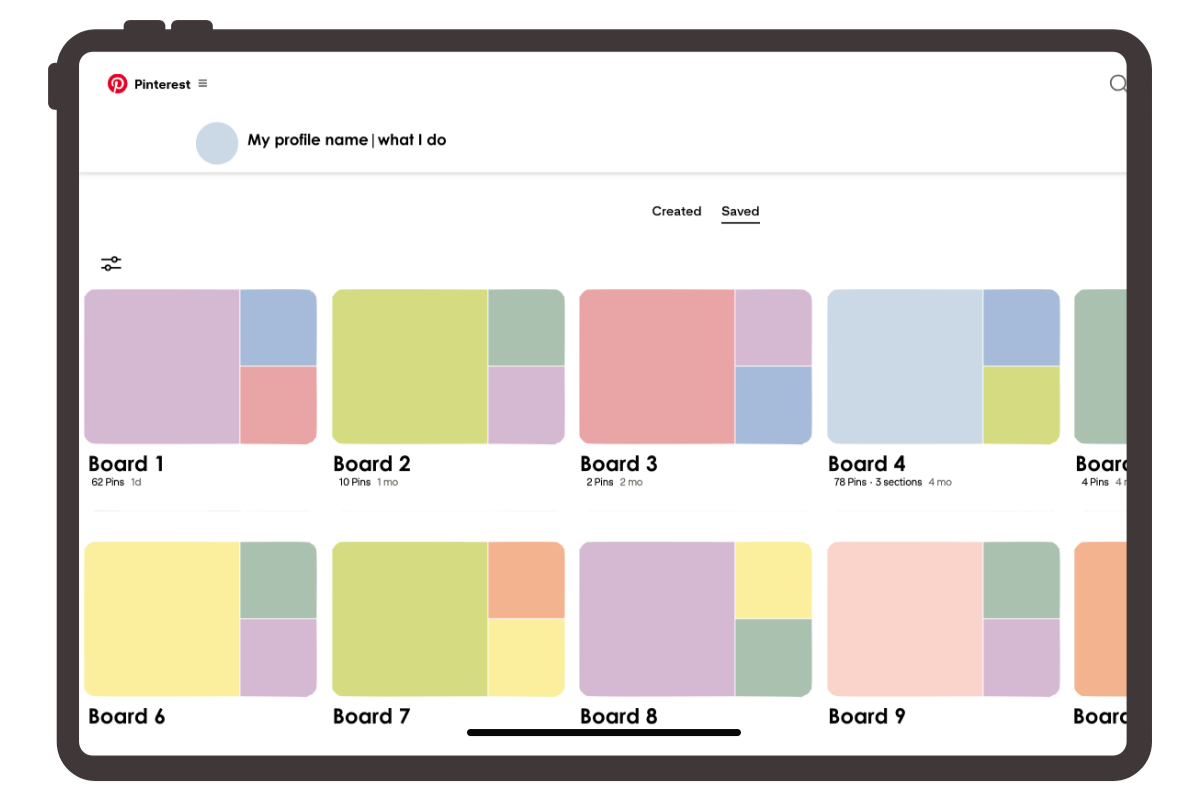
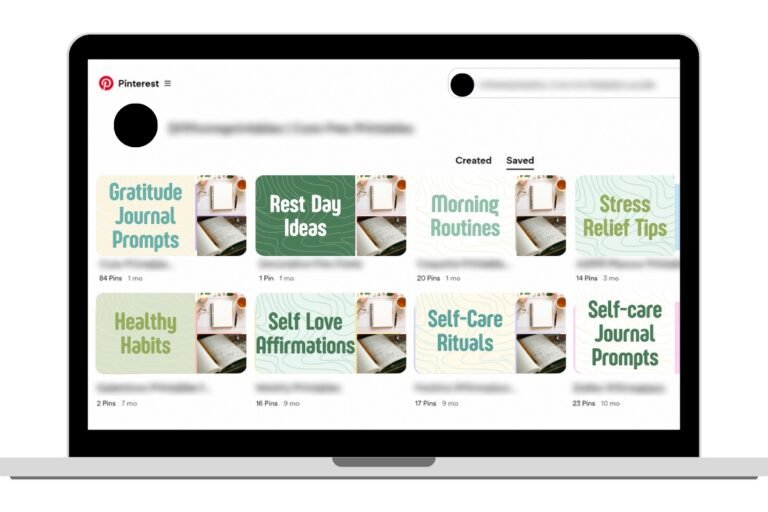
Unless you were extremely diligent and researched Pinterest marketing thoroughly before creating your Pinterest boards, I’m willing to bet your initial execution was a little like fumbling in the dark. I have three Pinterest business accounts myself, and some definitely have a better board strategy than others. One of the biggest mistakes we make is that we start treating our Pinterest boards like a junk drawer.
In all those decluttering shows, we’re told that everything should have a home, and if it doesn’t, it’s got to go. With Pinterest, however, we have an almost unlimited ability to create new homes (or demolish old ones) for our content. So why do we still shoehorn our pins into irrelevant boards? Or, of give our boards broad, meaningless titles? Or, perhaps you were intentional with optimizing your boards in the beginning, but they simply don’t reflect the kind of content you are creating today. This is why it’s important to, every now and then, give your Pinterest boards an audit.
What Exactly is a Pinterest Board Audit?
A Pinterest board audit is the process of reviewing your current boards to ensure that each and every single board is optimized for search intent. I think that in the past we might have relied on generic Pinterest keywords and called that SEO, but now it’s important to think carefully about your audience and their needs. Instead of just thinking about what they are searching, think of the problems they are trying to solve, what they want to learn and the ways in which they want to be inspired.
Another thing a Pinterest board audit does is check that your boards are aligned with your content clusters. This is true whether you have blog posts or products that you are trying to showcase.
The 3-Step Audit Roadmap
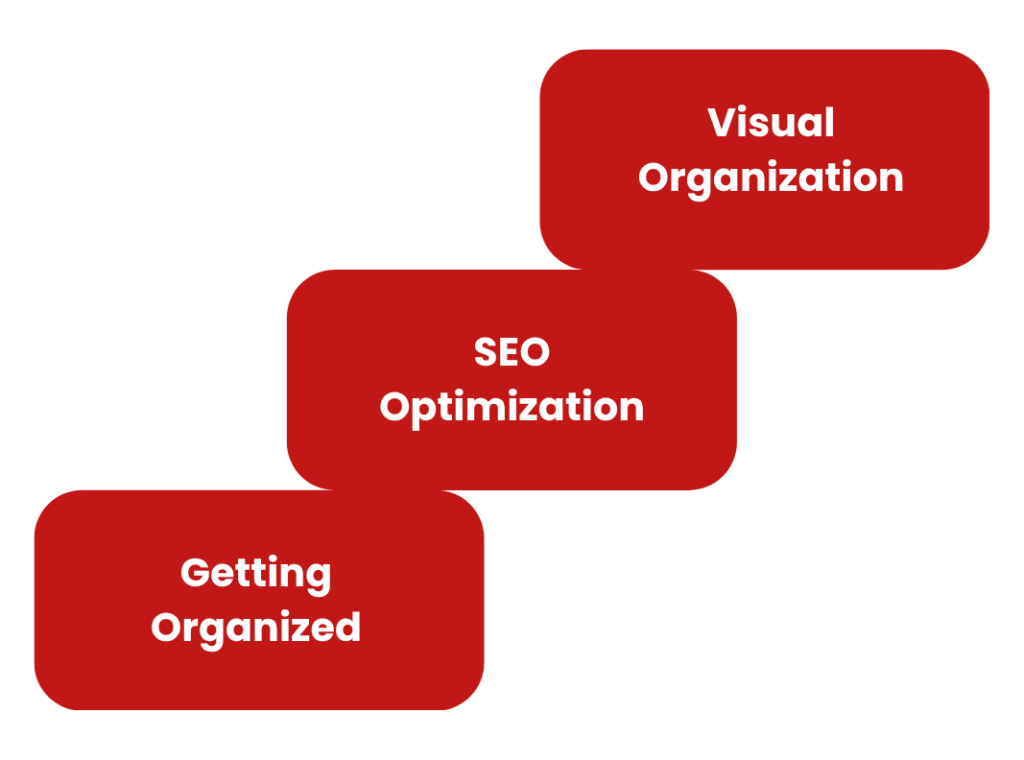
Trying to fix your Pinterest boards all at once is a recipe for confusion so it’s best to break things down into smaller, manageable steps. I’m breaking down my audit into three distinct phases and over the next few days, I’ll be diving into each of the following
- Step 1: Getting Organized. Before focusing on keywords, we need to take stock of our Pinterest boards. This will involve assessing board names, merging duplicates, archiving obsolete boards, and identifying the gaps where our content is currently homeless.
- Phase 2: SEO Optimization. Once we have a lay of the land, and we know what kind of boards we want to have, we’ll focus on incorporating short and longtail keywords into the board titles and descriptions.
- Phase 3: Visual Organization. Lastly, we’ll work on the visual aspect of our Pinterest boards. This includes creating header images and board covers if you don’t have them. Pinterest does offer this option for a reason!
How to Prepare for Your Own Audit
Before starting the actual audit, take 5–10 minutes to write down your first impressions when looking at your Pinterest boards. Scroll through them and note your gut feeling. Here are a few ideas of what you could write down:
- You could perhaps use a rating system where you say, “At present I would give my Pinterest boards a score of 7.5/10”, or something of the sort.
- You could also write a quick short list of 3 things you think you’re doing right, and 3 things you think you could improve on.
- Make a note of whether you think your boards represent the kind of content you have or want to create
Let’s Get to Work
Schedule some time in the next few days to tackle your Pinterest boards; I’m doing this for my accounts as well. Let’s make sure the hard work we put in as creators isn’t going to waste because our Pinterest boards aren’t optimized for search engines and user intent.
I’m excited to show you my process on one of the accounts I’m auditing. The next few blog posts will dive into each step of the audit.
Until next time, happy pinning!

One Comment